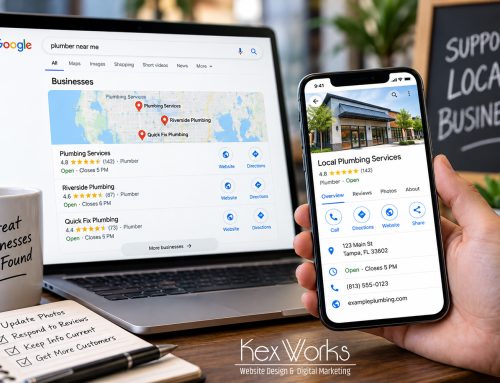
For small businesses, getting found online by local customers can make a huge difference. Whether you run a restaurant, a law firm, or a home service company, local SEO helps you show up when nearby customers are searching for what you offer.
Here’s a practical, 7-step checklist to improve your local SEO in 2025—and bring more traffic through your (real or virtual) doors.
1. Optimize Your Google Business Profile
Your Google Business Profile (formerly Google My Business) is often the first thing people see when they search for your business or related services in your area. It’s your digital storefront—so make sure it shines.
Checklist:
- Claim and verify your listing
- Use your actual business name (no keyword stuffing!)
- Choose the right categories
- Add updated contact info, business hours, and photos
- Post updates regularly to stay active
➡ Pro tip: Use the Q&A section to answer common customer questions.
2. Use Local Keywords Strategically
Search engines connect keywords to intent. To get found locally, you need to use geo-targeted terms people are searching for.
Checklist:
- Add city or region names to page titles, meta descriptions, and H1s
- Include local keywords naturally in your website content (e.g., “Clearwater digital marketing agency”)
- Use tools like Google Keyword Planner or Ubersuggest to find popular local phrases
3. Create Location-Specific Pages
If you serve multiple areas, don’t just list them in a sentence—build dedicated landing pages for each one.
Checklist:
- Write unique, helpful content for each service area
- Include testimonials or case studies from clients in that region
- Add location maps and optimized images
4. Build Local Backlinks
Backlinks from reputable local websites help search engines view your site as trustworthy and relevant to the area.
Checklist:
- Partner with local organizations, newspapers, or business directories
- Submit your site to local chambers of commerce or industry groups
- Host or sponsor community events to get mentioned in local press
5. Gather and Respond to Customer Reviews
Reviews aren’t just helpful for new customers—they’re also a big trust signal to search engines.
Checklist:
- Ask happy customers to leave reviews on Google and Facebook
- Respond to every review, positive or negative
- Make it easy by including a review link in follow-up emails or receipts
➡ Pro tip: Avoid fake or incentivized reviews—they can do more harm than good.
6. Ensure NAP Consistency Across the Web
NAP stands for Name, Address, Phone Number. It must be consistent everywhere your business is listed—on your website, directories, social media, and review platforms.
Checklist:
- Do a quick audit using a free tool like Moz Local or BrightLocal
- Fix any incorrect or outdated listings
- Use the same format for your business info on every platform
7. Optimize for Mobile Search
Most local searches happen on mobile devices. If your site isn’t mobile-friendly, you’re losing potential customers.
Checklist:
- Use a responsive design that works on all screen sizes
- Keep navigation simple and buttons large enough to tap
- Improve load speed by compressing images and using clean code
Final Thoughts: Local SEO Is Ongoing
Improving your local SEO isn’t a one-time task—it’s an ongoing strategy. At KexWorks, we help small businesses strengthen their local visibility, attract more nearby customers, and stay ahead of the competition.
Need help showing up in local search results?
Let’s talk! Our local SEO experts can build a plan that puts your business on the map—literally.