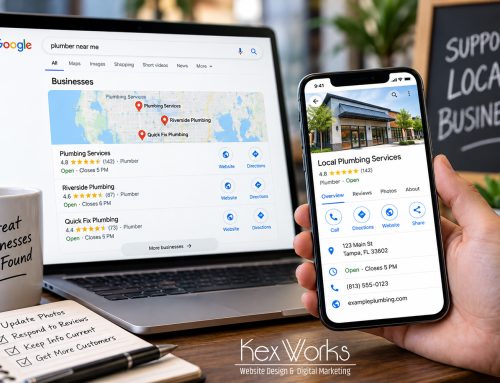
In the competitive digital landscape, ranking high on Google is crucial for driving traffic and growing your business. Search engine optimization (SEO) is the key to achieving this, but with constantly changing algorithms and fierce competition, it can be challenging to know where to start. Here are some SEO best practices to help your website rank higher on Google.
1. Optimize for Keywords
Keywords are the foundation of SEO. Start by researching relevant keywords that your target audience is searching for. Use tools like Google Keyword Planner or Ahrefs to identify high-traffic, low-competition keywords. Once you have your keywords, strategically place them in your content, titles, meta descriptions, and headers, but avoid keyword stuffing—Google penalizes that.
2. Create High-Quality Content
Content is king when it comes to SEO. Google rewards websites that provide valuable, relevant, and original content. Focus on creating content that answers your audience’s questions, solves their problems, and engages them. Regularly updating your site with fresh content, such as blog posts, articles, or videos, keeps your site relevant and encourages repeat visits.
3. Optimize On-Page Elements
On-page SEO involves optimizing individual pages to rank higher. This includes:
- Title Tags: Ensure each page has a unique, keyword-rich title tag that accurately reflects the content.
- Meta Descriptions: Write compelling meta descriptions that include your primary keywords to improve click-through rates.
- Header Tags (H1, H2, H3): Use header tags to structure your content and include keywords where appropriate.
- Alt Text for Images: Use descriptive alt text for images to help search engines understand your content and improve accessibility.
4. Improve Site Speed
Google considers site speed a ranking factor, so a slow website can hurt your SEO. Optimize your site’s performance by compressing images, leveraging browser caching, and minimizing CSS, JavaScript, and HTML. Tools like Google PageSpeed Insights can help you identify areas for improvement.
5. Ensure Mobile-Friendliness
With more users accessing the web via mobile devices, Google prioritizes mobile-friendly websites. Ensure your site is responsive, meaning it adjusts seamlessly to different screen sizes. A mobile-friendly design not only improves user experience but also boosts your chances of ranking higher on Google.
6. Build Quality Backlinks
Backlinks from reputable sites signal to Google that your content is trustworthy and authoritative. Focus on earning backlinks through guest blogging, partnerships, and creating shareable content. Avoid low-quality backlinks, as they can negatively impact your ranking.
7. Utilize Internal Linking
Internal linking helps Google understand the structure of your site and distributes link equity across pages. Link relevant pages within your content to keep users on your site longer and improve your SEO.
8. Optimize for Local SEO
If you have a local business, optimizing for local SEO is crucial. Claim and optimize your Google My Business listing, include location-based keywords, and encourage customer reviews. Local SEO helps you rank higher in local searches, driving more traffic to your site.
9. Monitor and Analyze Performance
SEO is an ongoing process. Regularly monitor your website’s performance using tools like Google Analytics and Google Search Console. Analyze traffic, bounce rates, and keyword rankings to identify areas for improvement and adjust your strategy accordingly.
Conclusion
Ranking higher on Google requires a combination of strategic planning, quality content, and continuous optimization. By following these SEO best practices, you can improve your website’s visibility, attract more visitors, and ultimately, grow your business. At KexWorks, we specialize in helping businesses optimize their websites for better search engine rankings. Let us help you achieve your SEO goals and drive your business forward.