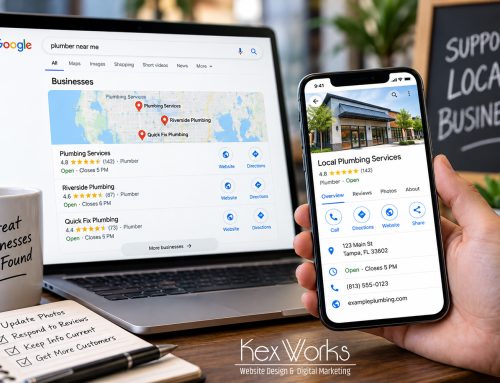
As a business owner in 2026, you’re constantly seeking ways to boost your visibility in an increasingly competitive digital landscape. With much of marketing and advertising shifting online—and now heavily influenced by AI-powered search—maintaining a robust online presence is essential for generating leads and driving sales. Tracking and optimizing your local rankings remains one of the most effective strategies, especially as Google’s algorithms prioritize proximity, relevance, entity trust, and user engagement signals.
Google’s local search results now frequently feature AI Overviews and AI-powered local packs (particularly on mobile), which provide direct answers and summaries, often reducing clicks to websites. Yet, statistics indicate that a significant portion of consumers who search for local businesses still visit in person within 24 hours if your business appears prominently. This trend favors well-optimized sites, while those lagging behind miss out on immediate opportunities.
The importance of local SEO continues to surge in 2026. Searches incorporating “near me,” voice queries, and hyper-local terms dominate, as users demand instant access to nearby products and services. AI-driven discovery extends beyond Google to platforms like ChatGPT, Instagram, and TikTok for reviews and recommendations.
Improving your local SEO in this AI era can dramatically enhance visibility. Focus on these key factors to align with current trends and direct your efforts effectively.
- On-Page SEO and Hyperlocal Content On-page optimization ensures your website content performs well for both traditional and AI search. Start with a clean, mobile-friendly layout for easy navigation. High-quality, original content—such as blog posts, videos, or guides—keeps visitors engaged longer, signaling authority to Google and AI systems. This boosts dwell time and relevance for local queries. Incorporate target keywords naturally, including hyper-local phrases like “[service] in [neighborhood]” or “[city] [service] near me.” Include your business’s NAP (Name, Address, Phone) on every page, preferably in structured format. Create content around local events, news, community involvement, or neighborhood-specific problems to strengthen entity signals and improve rankings in AI summaries.
- Google Business Profile (GBP) Your Google Business Profile (formerly Google My Business) is now your primary AI-powered local hub in 2026. It drives visibility in Maps, local packs, and AI Overviews. Claim and fully optimize it with accurate details: business name, physical address, phone number, hours, services, and categories. Post regular updates (at least twice weekly), add high-quality photos and videos, and use attributes to highlight features. Frequent activity and fresh content are strong ranking signals, especially as AI pulls from your profile for instant answers (e.g., via “Ask Maps” replacing old Q&A). Proximity to the searcher remains a core factor, so accuracy here is non-negotiable.
- Reviews and Reputation Management Customer reviews heavily influence 2026 local rankings, appearing prominently in local packs and feeding AI summaries. The local pack—now often enhanced with review themes and star ratings—provides quick overviews, making strong reputation essential. Encourage genuine reviews after positive experiences; respond promptly to build trust and engagement signals. Google uses review quality, recency, and keywords to determine relevance—avoid fake reviews, as penalties are stricter. High ratings and detailed testimonials improve trust, helping your business rank higher in AI-generated local results.
- Social Media and Multi-Platform Engagement Social media remains a powerhouse for local visibility in 2026. Platforms like Facebook, Instagram, TikTok, YouTube, and Reddit act as search engines themselves, with millions of daily local queries. Google monitors engagement across these channels as signals of prominence and brand authority. Maintain active profiles with local-focused posts, stories, and interactions. While social optimization alone won’t skyrocket rankings, it complements other efforts in a holistic strategy—especially as AI diversifies discovery beyond Google.
- Backlinks and Citations Off-page factors like backlinks and citations build authority. Quality backlinks from relevant local sources (e.g., newspapers, community sites, or partnerships) indicate expertise. Prioritize quality over quantity—focus on authoritative, niche-relevant links. Online citations (mentions of your NAP across directories like Yelp, Apple Maps, and others) must be consistent and accurate. Even minor discrepancies hurt rankings, as Google favors uniformity for trust. Verify and update listings regularly to avoid negative impacts.
By prioritizing these factors—especially in an era of AI Overviews, hyperlocal targeting, and entity-based ranking—you ensure local customers discover your business quickly and enjoy positive interactions.