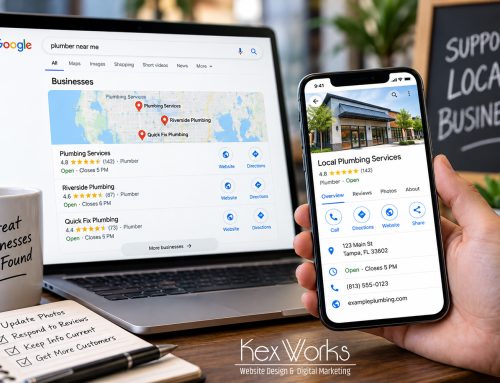
Ranking locally has evolved significantly since the early days of simple directory listings. Google’s 2014 Pigeon update aligned local results more closely with traditional ranking signals like domain authority and relevance, shifting focus toward a mix of on-page optimization, citations, and real-world signals. Today, success requires a fully optimized Google Business Profile, consistent NAP (Name, Address, Phone) data, high-quality reviews with good velocity, mobile-friendly experiences, and relevant local content.
Business owners commonly ask: “How long will it take to rank locally?” The honest answer is—it depends. There’s no universal timeline, as results vary based on your starting point, competition, and execution.
As a general expectation, many businesses see early signs of movement in 3–6 months, with more stable and competitive local rankings often emerging between 6–12 months of consistent effort. Quick wins (like improved GBP visibility) can appear in 2–8 weeks after basic optimizations, but building lasting momentum in the local pack or organic results typically takes longer. Let’s look at the key factors that influence how long it might take.
1. Your Budget
Budget remains one of the biggest accelerators (or limiters) for local SEO progress. With limited resources, improvements happen more gradually through organic efforts like content creation and review requests. A larger investment allows for faster scaling—hiring help for GBP management, professional citation building, local link acquisition, content production (including location-specific pages), and tools for tracking.
Additional spending can also support complementary tactics like paid local ads for immediate visibility while organic efforts build. More resources generally mean quicker accumulation of signals such as reviews, backlinks, and high-quality content, potentially shortening the path to noticeable ranking gains.
2. Your Industry and Competition
Highly competitive industries or crowded local markets (e.g., “pizza delivery” or legal services in a major city) demand more time and effort. In these cases, focus initially on less competitive long-tail keywords or niche service areas to gain traction before tackling broader terms.
The number of businesses targeting the same searches in your area plays a major role. Proximity, relevance, and prominence (including review signals) determine Map Pack placement, so analyzing competitors’ strategies—through tools or expert review—helps set realistic expectations. In lower-competition niches or smaller markets, progress can feel faster.
3. Your Website’s Age and Authority
Older, established domains with existing trust, backlinks, and content history tend to show improvements sooner than brand-new sites. Google views domain age and historical signals as indicators of reliability. A newer website might need extra time (often starting around the 3-month mark) to build authority.
That said, even new sites can gain ground faster in low-competition areas if optimized properly from the start—with strong on-page elements, structured data, mobile performance, and consistent local signals. The key is starting with a technically sound, user-friendly site that clearly demonstrates relevance to local searches.
4. The Size of Your City or Town
Competition levels correlate strongly with population and market size. Smaller towns or less dense areas generally allow for quicker ranking gains due to fewer rivals. In larger metropolitan regions, it can take closer to the upper end of the 6–12 month range (or longer for top positions) because more businesses are fighting for the same local visibility.
In cities with populations over 500,000, building momentum might require 90–120+ days of sustained work, while smaller communities can see results in as little as 60–90 days when signals align.
5. Review Signals and Reputation Management
In 2026, reviews—particularly their volume, average rating, recency, and velocity (how consistently new ones arrive)—have become even more influential for local pack and Maps rankings. Businesses that actively encourage detailed, genuine reviews and respond promptly often see positive movement.
A sudden drop in review activity can hurt visibility, while steady positive feedback helps build prominence. If past issues led to penalties or low trust signals, recovery can add 3–6 months or more, depending on how thoroughly problems are addressed.
6. Algorithm Updates and External Factors
Google continues to release core updates and local-specific tweaks (with notable activity in 2025–early 2026 emphasizing usefulness, mobile experience, and real-world relevance). These can cause temporary fluctuations in rankings, even for well-optimized sites.
Manual or algorithmic penalties from outdated tactics (e.g., spammy citations or manipulative practices) can delay progress significantly until resolved. Maintaining clean, consistent data across the web and focusing on helpful, experience-based content helps mitigate risks.
Local SEO success involves no single “magic formula.” It requires ongoing dedication: optimizing your Google Business Profile, ensuring NAP consistency, generating valuable local content, earning authentic reviews, and monitoring performance amid algorithm changes. With persistence, many businesses achieve improved local visibility and the associated traffic, calls, or visits. Results compound over time, so consistent effort often outperforms sporadic campaigns.